Dried Fruit Guide: Figs & Raisins
Drying fruit removes water and concentrates flavour, natural sugars and nutrients into a smaller portion. Figs and raisins can add fibre and minerals, but portion size matters.
Dried Figs
Nutrition snapshot
Dietary fibre, calcium, potassium, iron and naturally occurring sugars.
How those nutrients help
Fibre supports digestive regularity. Calcium contributes to normal bones and teeth, while iron helps haemoglobin carry oxygen.
Check for added sugar and enjoy with adequate water.
Raisins
Nutrition snapshot
Carbohydrate, naturally occurring sugars, fibre, iron and potassium.
How those nutrients help
Carbohydrate provides energy. Fibre supports digestion, and iron supports oxygen transport in the blood.
A small portion is easier to judge than eating directly from a large pack.
Remember the nutrient–benefit connection
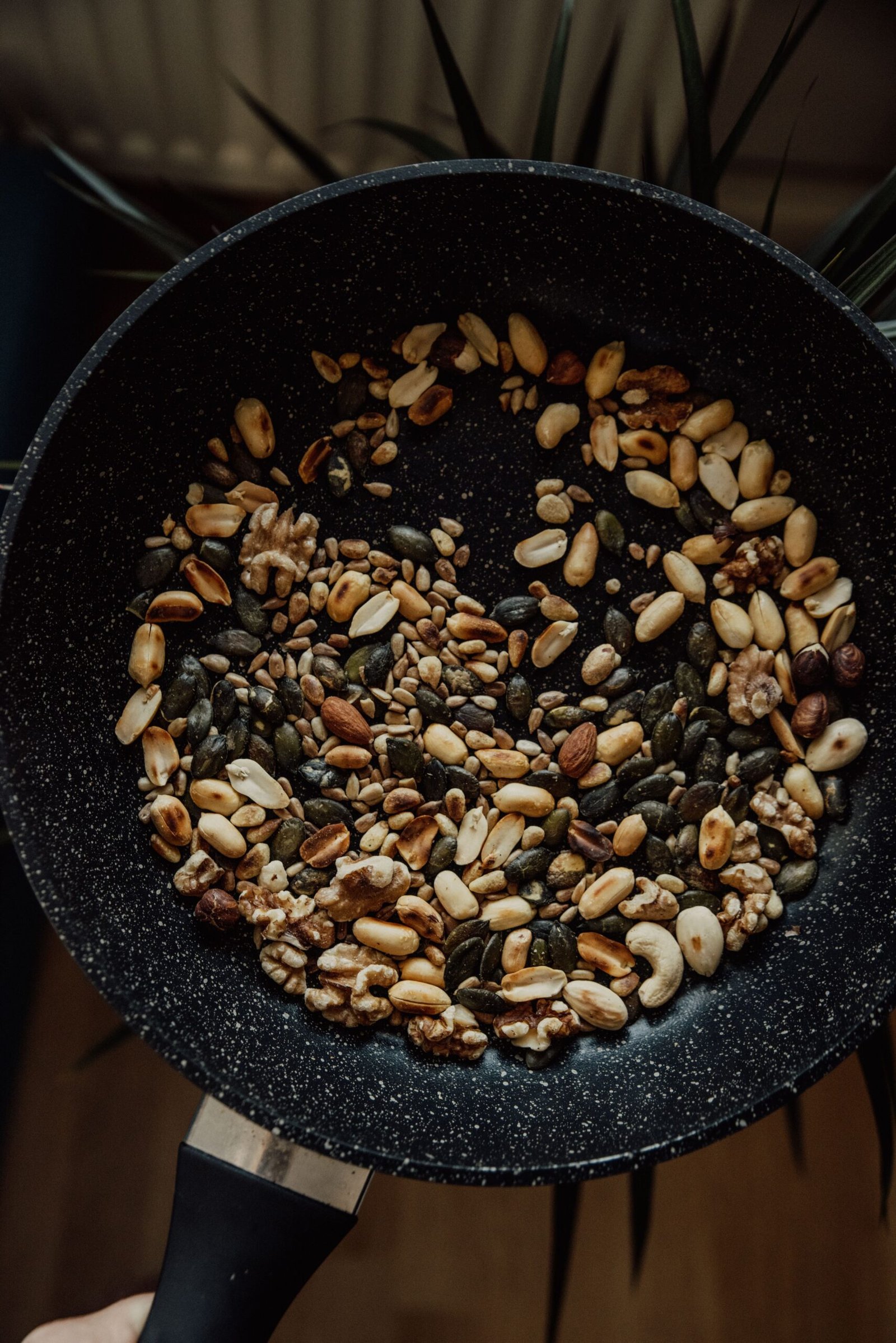
Dried fruit is concentrated: a small portion contains more fruit and natural sugar than the same volume of fresh fruit. Pairing it with nuts or seeds can make a more balanced snack.
Food and allergy note: This is general nutrition education, not medical advice. Nutrient levels vary with variety and processing. Nuts, peanuts and sesame are common allergens; check ingredients and consult a qualified professional for medical dietary restrictions.
Explore Aaharikaa blends & order online